
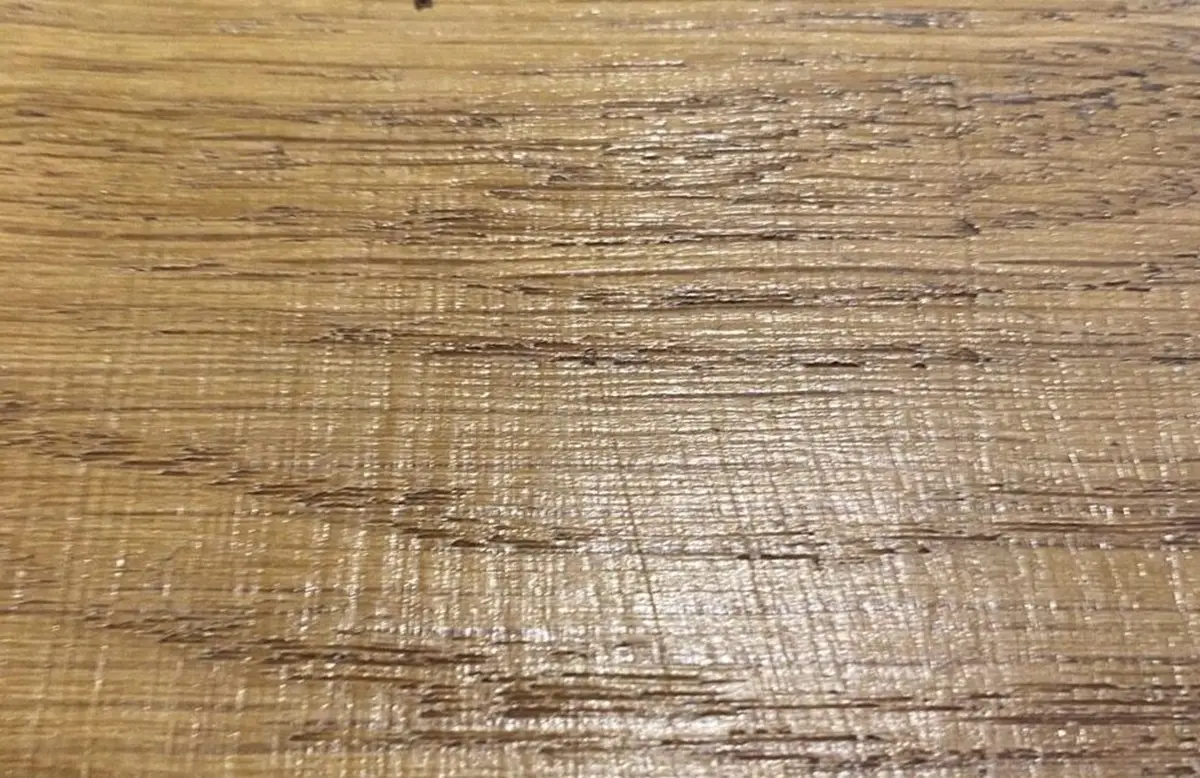
Wood flooring is one of the most valuable and visually striking features in any property. When properly restored, it can transform a home or commercial space. When poorly handled, it can permanently damage a floor beyond repair.
At The Flooring Inspector, we regularly inspect timber floors that have failed not because of age but because sanding and restoration were carried out by untrained or inexperienced operators.
This article explains why professional floor sanding and restoration is essential, what can go wrong, and how expert workmanship protects your flooring investment.
Floor Sanding Is Not Just “Making It Look Nice”
Sanding a wood floor removes material. Every pass of a sanding machine permanently changes the structure, thickness and integrity of the floor.
Unlike repainting a wall, sanding is irreversible.
A trained professional understands:
- Wood species behaviour
- Grain direction and density
- Board thickness tolerances
- Existing finish compatibility
- Heat generation risks
- Edge control
- Expansion allowances
- Moisture interaction
- Finish curing processes
Without this knowledge, floors can be irreparably weakened in a single day.
Common Failures We See After Poor Sanding
Independent inspections frequently identify:
- Over-sanding exposing tongues and grooves
- Uneven floor levels
- Chatter marks and drum lines
- Dish-out around edges
- Swirl patterns from incorrect grit sequencing
- Burn marks from overheating
- Finish adhesion failure
- Premature wear through
- Colour inconsistency
- Structural board damage
In many cases, the floor cannot be sanded again leaving full replacement as the only option.
Restoration Is a Technical Process Not a Cosmetic One
Professional restoration is not simply sanding and varnishing.
It includes:
- Subfloor and moisture assessment
- Structural inspection of boards
- Identification of contaminants such as waxes, oils or silicone residues
- Correct grit progression
- Controlled edge blending
- Vacuum dust management
- Environmental condition control
- Finish compatibility testing
- Drying and curing time management
Skipping any of these steps compromises the result.
Why Training and Experience Matter
Trained floor sanding professionals understand:
- How much material can safely be removed
- How to restore without weakening the floor
- How to work with heritage and reclaimed timbers
- How to manage modern engineered boards
- How to repair before sanding
- How to prevent future failures
Experience is what protects the floor — not just the machine.
DIY Sanding and Low-Cost Operators Carry High Risk
Floor sanding machines are easily hired.
Expertise is not.
DIY and low-cost sanding often results in:
- Permanent structural damage
- Voided product warranties
- Insurance claim disputes
- Reduced property value
- Increased future replacement costs
What looks like a saving can become the most expensive mistake of the entire renovation.
Restoration Can Extend a Floor’s Life by Decades
When carried out correctly, professional restoration:
- Restores natural beauty
- Improves hygiene
- Enhances property value
- Preserves original materials
- Reduces environmental impact
- Delays replacement by decades
Restoration is one of the most sustainable flooring solutions available when done correctly.
How Independent Inspection Supports Restoration Projects
At The Flooring Inspector, we support both pre-restoration and post-restoration inspections.
We provide:
- Suitability assessments before sanding
- Thickness and structural evaluation
- Moisture and environmental testing
- Independent workmanship reviews
- Dispute resolution reporting
- Professional condition reporting
This ensures homeowners, landlords and commercial clients make informed, protected decisions.
Restoration vs Replacement, Professional Advice Matters
Not all floors should be sanded.
Some require repair.
Some require replacement.
Some require stabilisation before restoration.
Independent advice prevents costly mistakes and protects long-term outcomes.
Who Should Use Professional Floor Restoration?
Professional sanding and restoration is essential for:
- Solid wood floors
- Parquet flooring
- Herringbone installations
- Heritage properties
- Commercial timber floors
- High-traffic environments
- Engineered boards with limited wear layers
Each requires different techniques, tools and limitations.
Why Choose The Flooring Inspector?
The Flooring Inspector provides independent, expert flooring inspection and technical advice across the UK.
We do not sell restoration services.
We do not carry out sanding work.
Our independence allows us to give honest, technically correct guidance based solely on protecting your floor.
Our experience covers:
- Domestic and commercial properties
- Heritage and modern buildings
- Insurance and legal cases
- Manufacturer disputes
- Restoration suitability assessments
Protect Your Floor Before You Restore It
Before sanding begins, make sure your floor is suitable.
Before choosing a contractor, make sure they are trained.
Before risking irreversible damage, make sure you have independent advice.
Because once a floor is sanded, there is no undo button.
Get Independent Flooring Advice
If you are considering floor sanding, restoration, or are experiencing problems with an existing timber floor, contact The Flooring Inspector today for professional, independent support.
We help you protect what cannot be replaced.