
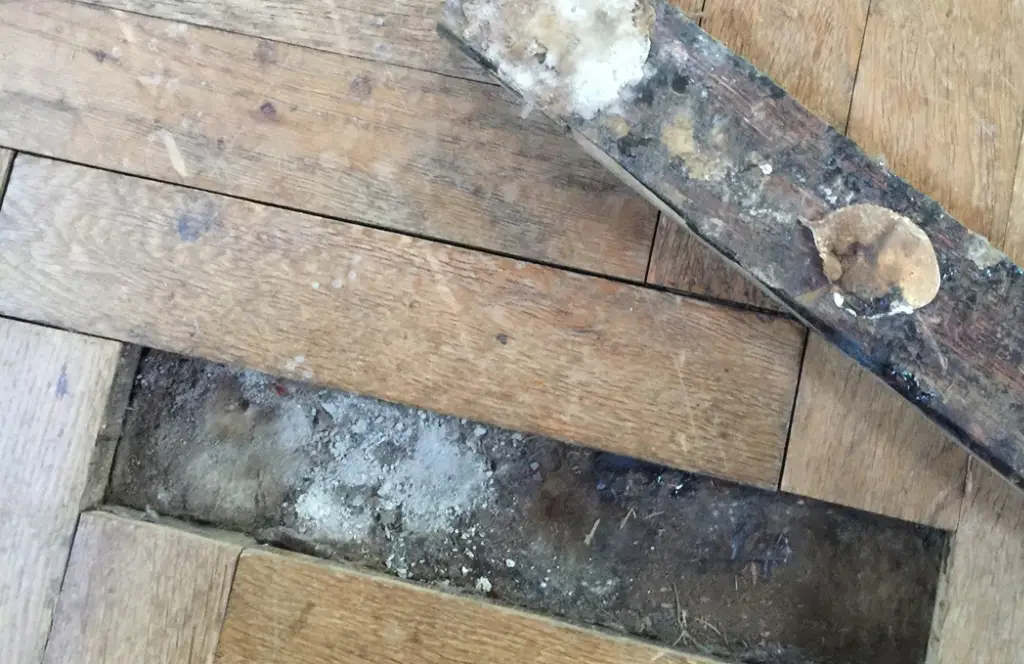
Installing new flooring is a significant investment. Whether it’s engineered wood, LVT, laminate or carpet, one critical step should never be overlooked – moisture testing.
At Flooring Inspector, we regularly assess flooring failures that could have been prevented with accurate pre-installation moisture readings. In fact, excess subfloor moisture is one of the leading causes of flooring damage in both residential and commercial properties.
In this guide, we explain why moisture readings are essential, how they are measured, and when to involve an independent flooring inspector to protect your investment.
Why Moisture Testing Is Essential Before Flooring Installation
Moisture testing determines whether a subfloor (typically concrete, screed, or timber) is dry enough to safely install flooring. Every flooring manufacturer specifies maximum moisture tolerance levels – exceeding these limits can cause serious issues.
Without proper testing, you risk:
- Wood floor cupping and warping
- LVT adhesive failure
- Laminate swelling
- Mould growth under carpets
- Floor lifting and peaking
- Voided manufacturer warranties
Many flooring failures investigated by an independent flooring inspector trace back to missing or incorrect moisture testing.
How Moisture Causes Flooring Failure
Wood Flooring and Moisture Movement
Wood is a hygroscopic material, meaning it absorbs and releases moisture depending on its environment. If installed over a damp subfloor, the boards will absorb moisture and expand. As conditions stabilise, shrinkage can occur, leading to:
- Cupping
- Crowning
- Gapping
- Splitting
- Distortion
Solid and engineered wood floors are particularly sensitive to moisture imbalance.
Concrete Subfloors Can Retain Hidden Moisture
Concrete may appear dry on the surface but still contain significant internal moisture. New concrete slabs can take several months to fully cure.
Installing flooring too early – particularly in new builds – is a common cause of failure. A flooring inspector often finds that floors were laid before the concrete reached acceptable Relative Humidity (RH) levels.
Recommended Moisture Levels Before Installation
Most UK flooring manufacturers require:
- Maximum 75% Relative Humidity (RH) for concrete subfloors
- Timber subfloors within 2-3% of the new wood flooring moisture content
- Lower RH requirements where no damp proof membrane (DPM) is applied
These requirements vary depending on the flooring type, adhesive system, and site conditions. This is why professional testing is crucial.
Methods Used to Test Subfloor Moisture
A qualified flooring inspector may use several recognised testing methods:
1. Hygrometer (Relative Humidity Test)
Measures moisture vapour within concrete or screed. This is the most common and manufacturer-approved method in the UK.
2. Moisture Meter
Used for timber substrates and wood flooring to measure moisture content percentage.
3. Calcium Carbide (CM) Test
A more invasive but highly accurate method for assessing concrete moisture.
An independent flooring inspector will select the appropriate test based on the subfloor type and project requirements.
The Risk of Skipping Moisture Readings
Failure to conduct proper moisture testing can result in:
- Full floor replacement
- Adhesive breakdown
- Subfloor remediation
- Insurance claim disputes
- Rejected manufacturer warranty claims
Many disputes arise because no moisture readings were recorded prior to installation. Without documented evidence, liability can become complicated.
At Flooring Inspector, we frequently see cases where simple pre-installation testing would have prevented thousands of pounds in damage.
Hidden Sources of Moisture in Properties
Moisture issues are not limited to new concrete. Other common sources include:
- Underfloor heating systems
- Plumbing leaks within screed
- Rising damp
- Recently plastered walls
- Poor ventilation
- Flood damage
- Seasonal humidity fluctuations
Even properties that appear dry can contain excessive subfloor moisture. A professional flooring inspector can identify risks before installation proceeds.
Why Involve an Independent Flooring Inspector?
An independent flooring inspector provides unbiased assessment and reporting. Unlike installers or suppliers, their role is neutral – focused purely on identifying facts and ensuring compliance with industry standards.
Pre-installation inspections can:
- Verify subfloor suitability
- Confirm acceptable moisture levels
- Provide written documentation
- Protect installer and homeowner
- Reduce risk of future disputes
While many people only contact a flooring inspector after a failure, preventative inspections are becoming increasingly common – particularly in high-value residential projects and commercial developments.
Moisture and Different Flooring Types
Engineered Wood Flooring
Requires controlled moisture conditions and correct acclimatisation before installation.
Solid Wood Flooring
Highly sensitive to moisture movement and expansion.
Luxury Vinyl Tile (LVT)
Adhesive systems can fail if moisture vapour rises from the subfloor.
Laminate Flooring
Moisture can cause joint swelling and edge lifting.
Carpet
Can trap moisture beneath, leading to mould and odours.
Each flooring material reacts differently to moisture – which makes accurate testing essential.
The Importance of Documentation
Professional moisture testing should always be recorded. Documentation should include:
- Date and time of testing
- Test method used
- Location of readings
- Measured values
- Environmental conditions
If a dispute arises, this documentation becomes critical evidence.
An independent flooring inspector provides formal written reports that can be used for warranty claims, insurance cases or legal proceedings.
Prevent Flooring Failure Before It Happens
Moisture is invisible – but its effects are not.
Many of the flooring failures investigated by Flooring Inspector could have been prevented with proper pre-installation moisture checks. The cost of testing is minimal compared to replacing an entire floor.
Before installing any new flooring, ensure that:
- Subfloors are fully cured
- Moisture levels meet manufacturer guidelines
- Readings are documented
- Environmental conditions are stable
Conclusion: Protect Your Investment with Professional Moisture Testing
Moisture readings are not optional – they are a fundamental part of professional flooring installation.
Accurate testing:
- Protects your flooring investment
- Preserves manufacturer warranties
- Prevents costly failures
- Reduces disputes
- Ensures long-term performance
If you are unsure about subfloor moisture levels, consulting an independent flooring inspector before installation can save significant time, stress and expense.